


Mark Kurkdjian

Open to forward deployed roles · Vancouver, BC

Mark Kurkdjian

I put AI to work inside real businesses, and I check the work before it ships.

OpenAI reads the role to write the answer. Only the answer is saved, not the role.

  • 6live property valuation websites that brokers use with their clients
  • 2ndfirm already runs the sales desk kit I built
  • 3 h → 1 mina records search that used to take all afternoon

Film: Switched On’s 3D model of Vancouver, built by my AI agent team

How every project starts

Every project starts with the research already done and checked.

For years I’ve collected rules, expert advice, lectures and lessons from past jobs. Two tools bring the right pieces to whatever I’m working on, so the people you send me to get the best of it from day one.

Try it

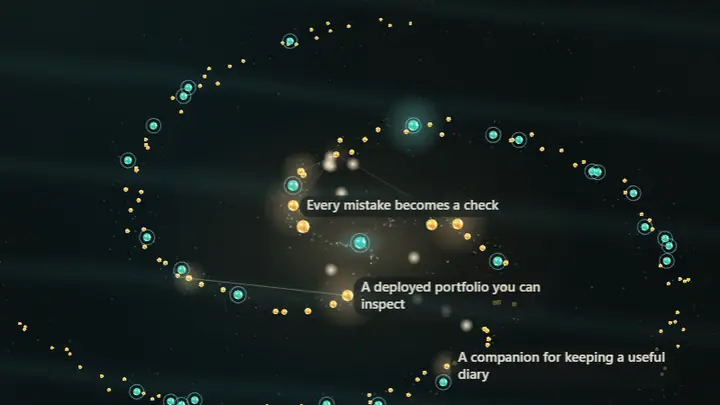
Everything I’ve learned, and how it connects.

Every star is a video I studied, a page in my library, a note from my own work or one of my skills. Tap a star to read it, then follow its links.

    a real linkfound by the Decisions APIselected

    1. 1Study

      The best sources on your customer’s field, graded for trust.

      Before any new job, my AI reads four kinds of sources: the official rules, the leading firms in the field, university lectures, and people doing the work in the right country. It grades each one for trust, notes where they disagree, adds the lessons from our own past jobs, and saves it all to a library that grows with every project.

      • Official rules
      • Leading firms
      • University lectures
      • Expert videos
      • Our past jobs
    2. 2Decisions API

      401 questions answered in 13 seconds, each with a confidence score.

      An OpenAI tool that answers set questions with a choice and a confidence score instead of an essay. I use it to sort, score and check: which past sales matter most in a valuation, which leads deserve a call, whether a sentence is backed by the facts. I test its guesses against real results before anyone relies on them.

      One real job: 401 questions, 13 seconds

    3. 3The decision

      The right next step, with the path that led to it.

      Together they turn years of scattered research into the right next step for the project in front of me, with a confidence score you can check.

    The job, line by line

    What forward deployed engineers are hired to do. And where I’ve done it.

    What the Anthropic and OpenAI job posts ask for, in plain words. November 2026.

    1. 01Learn how the customer really works

      I’ve sat across the table from owners, tenants and brokers since 2006. Every build starts with the person who will use it.

      →
    2. 02Build software people use every day

      Six live property valuation websites, listing websites and a sales desk that brokers use with their clients, plus a client-outreach system for a professional services firm.

      →
    3. 03Connect AI to the tools a business already uses

      113 written skills. A team of four AI agents. Seven look-up tools on a pawnbroker’s website that any AI assistant can use.

      →
    4. 04Turn one job into a kit others can reuse

      The sales desk became a kit any business can use, with each client’s data kept apart and checked automatically for leaks. A second firm already runs it.

      →
    5. 05Test the AI before anyone relies on it

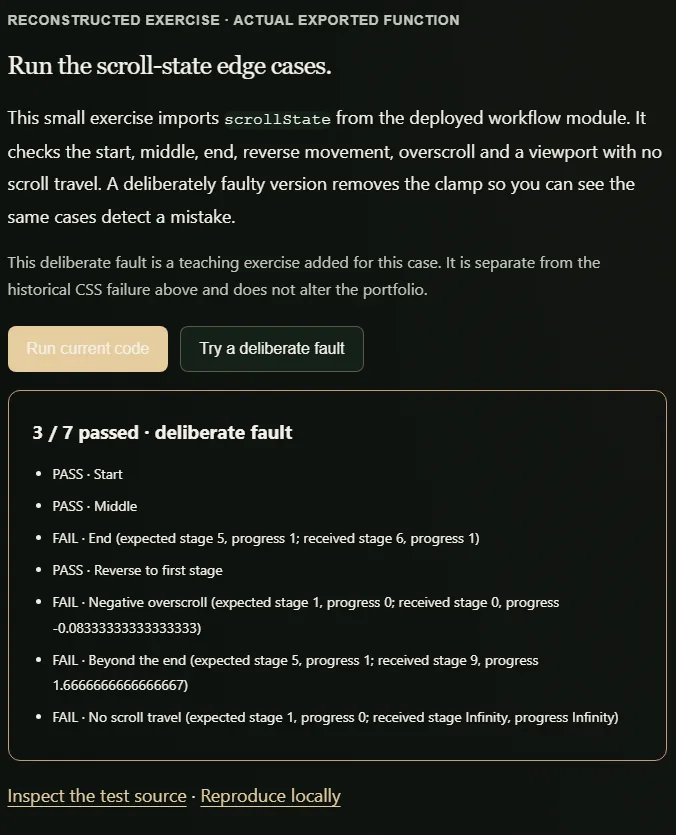
      Every new skill is tested on real cases before it is kept, and every faster check is proven against the old one before it takes over.

      →
    6. 06Lead the work from start to finish

      I founded and ran my own brokerage for five years. I earned two more licences by passing the exams without taking the courses.

      →
    7. 07Work under strict rules, like health and privacy

      A children’s asthma app with safety rules the AI can’t change. Client outreach that follows Canada’s anti-spam and privacy laws.

      →

    Real work, in real businesses

    01AI Money Lab

    Four AI agents, one mailbox, my sign-off.

    Claude, Grok, Meta’s Muse and OpenAI’s agent work as one team through a shared mailbox. They write to each other, hand in their work for review, and stop for my yes before anything spends money, gets posted or goes live. Every night, a check tidies the team’s notes and flags anything it can’t confirm.

    • 448 finished pieces of work and 130 automatic daily checks so far
    • Launched Switched On: a live site with a voice tour and bookings
    • Published five web tools on the Apify online store, each with built-in safety checks

    Running every day

    Switched On, launched by the team: a live site with a voice tour and bookings. Every frame here is the team’s own work.

    02Commercial real estate

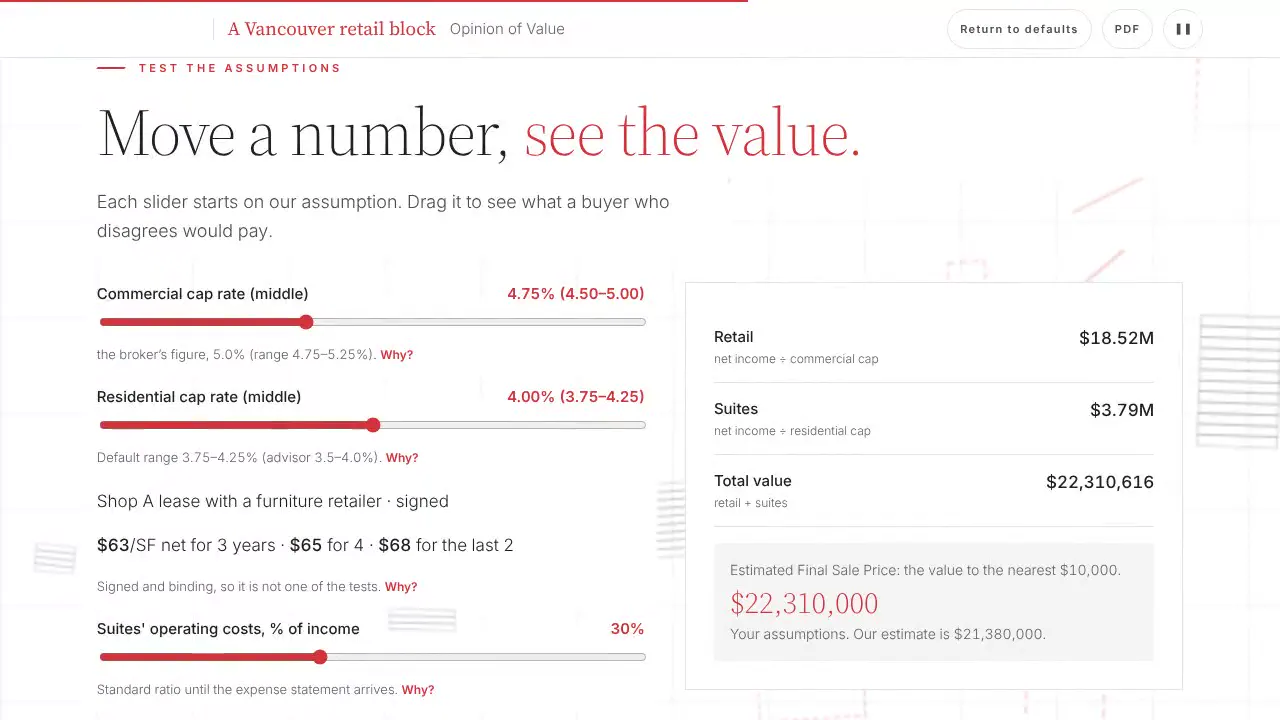
    A valuation the client can play with.

    Brokers needed property valuations that building owners would actually read. I built them as interactive 3D websites, sent as a private link: real recent sales nearby, the standard ways of pricing a building, and numbers the owner can change and watch the value move. Each one also looks for what could raise the value: a lot next door, a zoning change, a lease ending. Then came listing websites with a voice guide, and the deal desk below.

    • Six live valuation websites so far
    • Sales records and 5,367 scanned property documents in one private, searchable library
    • The broker approves every name and number; the AI contacts no one

    Live for brokers and their clients

    A real valuation site, recorded as the broker uses it. Addresses, names and tenants are hidden.

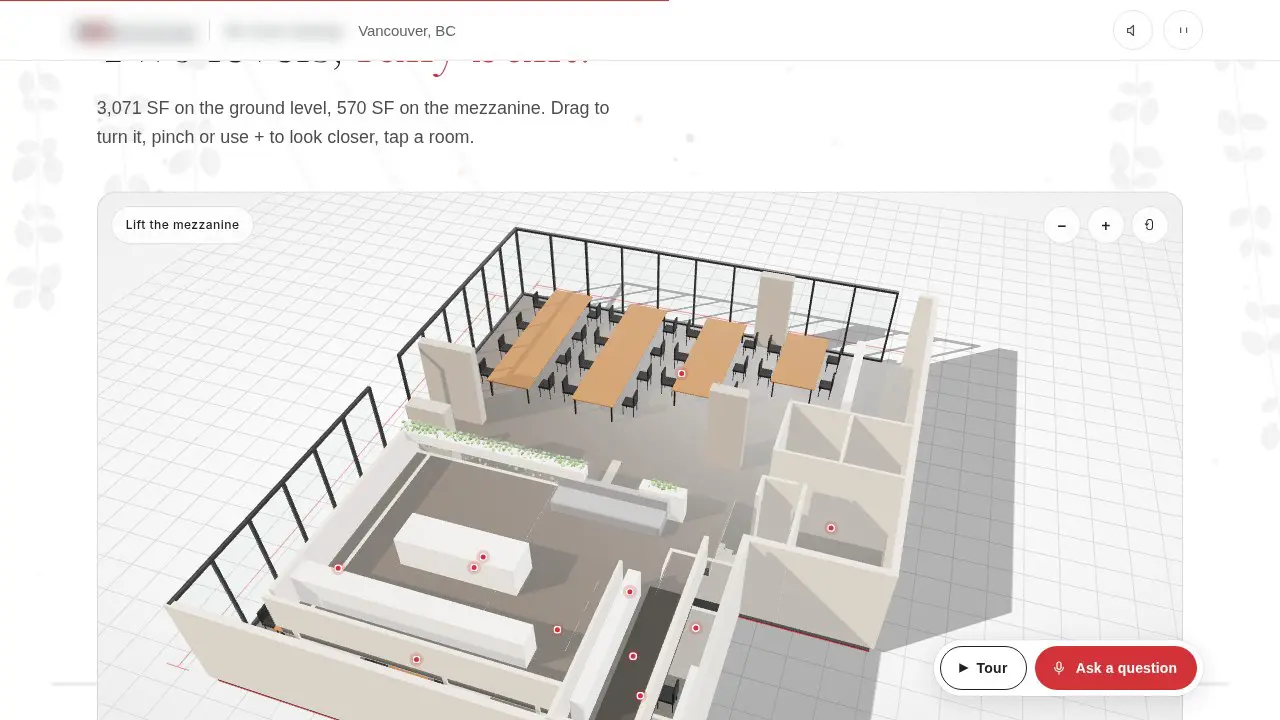
    And a listing site with a voice tour: press “Ask a question” and the building answers. Branding and address hidden.

    03Deal desk

    One building, one sales desk. Every lesson moves to the next.

    To sell a building, a broker needs the right few buyers, not a giant contact list. So I had AI agents build a desk for that one listing: who to call, why each buyer fits, and what to say. The same outreach then wins new listings: owners get a short, sourced preview of their building’s value, which the broker approves before it goes out. When the listing sells, the desk is retired and a new one is built for the next, starting with every lesson, contact and result from the last.

    • 140+ buildings linked to their owners, lenders and loans from property and 5,000+ land-title records; 40 cash buyers flagged for the listing
    • A live 3D buyer map with “who sells next” scores, a daily call list, a call log and a follow-up calendar
    • A voice guide explains each target; the broker approves every note before it is sent
    • The same find, draft and approve outreach also runs for a professional services firm

    In use at a commercial real estate brokerage, 2026

    How it works, drawn in code. No real names, buildings or clients.

    04Licensed pawnbroker

    A shop website built for people and for their AI.

    A licensed pawnbroker. One file of checked facts feeds every page, what search engines read, and seven look-up tools that AI assistants can use. Nothing goes on the site unless it is in that file. The opening shows a live 3D diamond.

    • Check an item
    • Opening hours
    • How it works
    • Common questions

    Built · launch is the owner’s call

    The pawnbroker’s home page: dark background, a headline about high-value pawn loans on watches, gold and diamonds, and a large 3D diamond on the right.
    The shop’s home page and its live 3D diamond. Shop name and contact details hidden.

    05Children’s health

    Fixed rules decide. The AI explains.

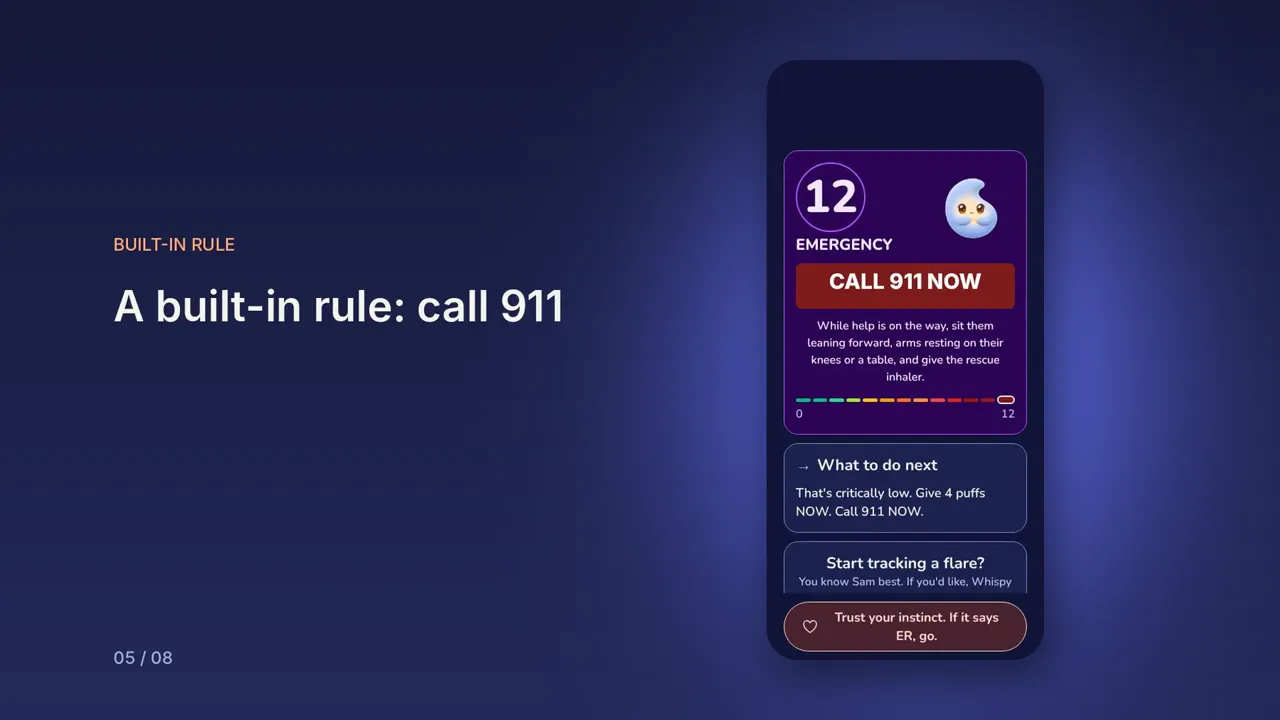
    An iPhone app for parents managing a child’s asthma at 3 a.m. The emergency rules are built in where no AI can change them. The AI only explains, and it is built so it cannot tell a parent their child is fine. It is never given a last name, a birthday or an email address.

    • 528 automatic checks so far, including the medical safety rules, while the app is in build
    • Each family’s data is locked so only that family can see it
    • Built so the AI cannot dismiss a parent’s “I’m worried”

    In build

    The real app, recorded from its own preview with made-up sample data. No real family.

    Mark’s AI guide

    Ask what an interviewer would.

    Get straight answers before we ever talk.

    Who writes the code?

    AI agents write and test the code; Mark directs them. He understands the work, sets requirements and tests the result by using it. When something goes wrong, the fix becomes a standing rule.

    Who writes the code?
    AI agents write and test the code; Mark directs them. He understands the work, sets requirements and tests the result by using it. When something goes wrong, the fix becomes a standing rule. He says he is willing and able to learn, and customer deployment is closest to the work he seeks.
    How fast does he learn?
    Mark uses Claude, Codex, Gemini, Grok Bot and Muse on practical problems. He keeps notes on what works, what fails, and what he would change next, then turns those lessons into reusable skills and workflows. This résumé is one example: he directed the story, voice and interactive tools, then revised them after feedback. His approach is to learn by building, checking the result and applying what he discovers to the next problem.
    Why AI, full time?
    Mark enjoys discovering new capabilities and turning them into something useful for another person. He wants to help people understand AI, question it and become active creators themselves. Working with an AI company would let him make that his daily work, while learning how to support customers at a larger scale.
    His first 90 days?
    His starting plan would be to learn the product and listen to customers doing real work. Then he would choose a small useful task with the team, agree on checks and human decisions, and test it with the people using it. The exact plan would depend on your role, customers and priorities.

    Résumé

    Twenty years across the table from clients.

    Your customers get someone who has run a business, negotiated deals and sold to owners. I know what their day looks like.

    1. Nov 2022 – now

      Associate Broker, NAI Commercial

      Commercial leasing and sales: valuation, market analysis, negotiation, client presentations. I build the AI valuation, listing and sales tools brokers use with their clients.

    2. 2009 – now

      Operator, resale business

      Run the business, assess items and negotiate prices. AI drafts listings and keeps the books; I check and approve.

    3. 2021 – 2022

      Real estate agent, RPM Realty

      Valuation and negotiation, then back to commercial real estate.

    4. 2009 – 2014

      Founder, Novuscity Realty

      Founded and ran a real estate brokerage, responsible for the business and the property work.

    5. 2006

      Commercial real estate, Barclay Street Real Estate

      Where it started: commercial property in Vancouver.

    Licences
    Managing broker and property management, earned by passing the exams without taking the courses
    Education
    BCom (Hons), Real Estate, UBC Sauder School of Business, 2006
    AI I direct
    Claude, Codex, Gemini, Grok, Meta’s Muse
    Tools I build with
    Cloudflare · Supabase · React Native · TypeScript · three.js
    Languages
    English, Armenian, French, some Turkish

    The workshop

    See how I work with a customer: describe a small app, then watch it get planned, built and checked.

    Open the workshop

    Send me your hardest challenge.

    I’ll make a plan to solve it.

    Email Mark

    LinkedIn604-803-9163Written résumé

    Live conversation

    What would you like to know?

    This is Mark’s AI guide. Ask about his work, a project or your role. It answers from his public résumé and project notes. You can ask follow-up questions.

    AI voice powered by OpenAI. Microphone access is requested only if you choose to talk. Please keep questions free of private information.